Welcome to Illinois State Senator Michael Hastings' Legislative Website
Hastings announces additional funding to prevent food insecurity
- Details
- Category: Press Releases
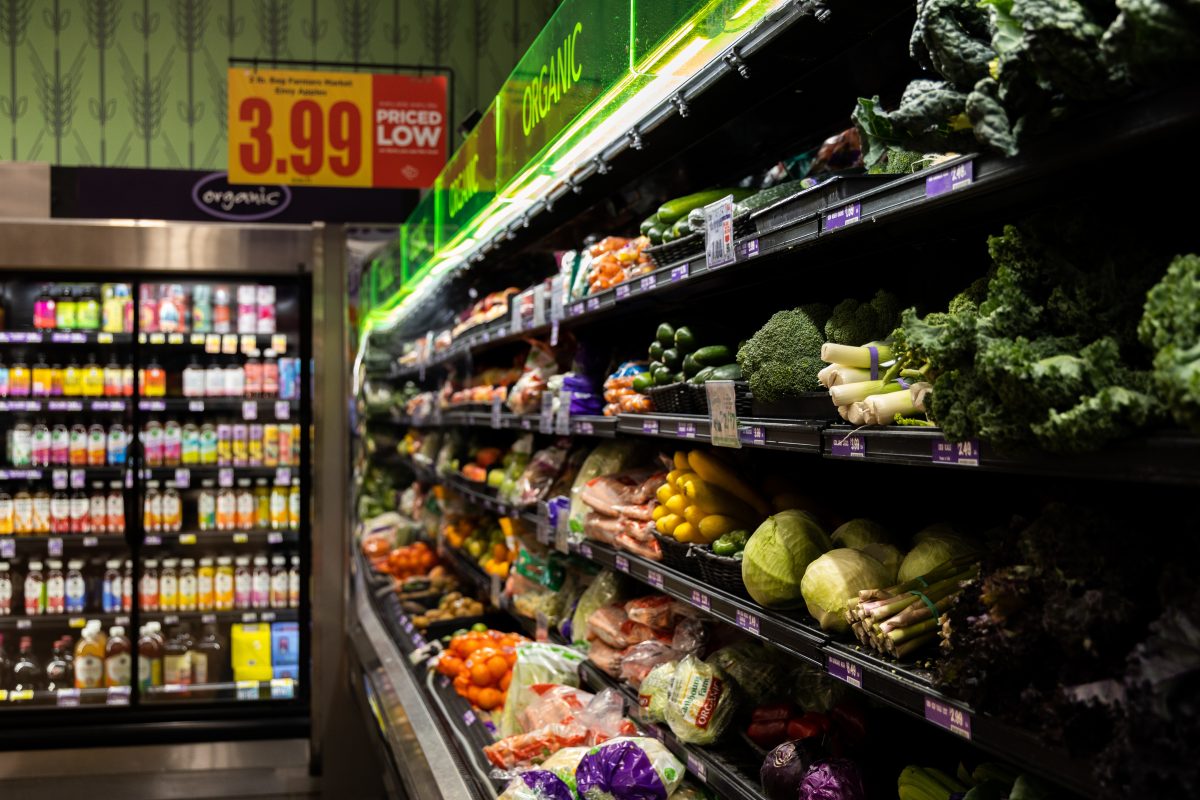
FRANKFORT– State Senator Michael E. Hastings announced new funding is available under the Illinois Grocery Initiative through the New Stores in Food Deserts, Equipment Upgrades and Grocery Rescue grant programs – representing a $26 million effort to address food deserts and prevent grocery store closures in communities across the state.
“Food insecurity is not just being hungry; it is a constant, daily anxiety for many parents as they search for ways to put food on the table for their families,” said Hastings (D-Frankfort). “When we invest into food accessibility through the Illinois Grocery Initiative, we are doing more than easing access to food; we’re removing a road block and empowering Illinois families to get ahead.”
The new Grocery Rescue Program will support efforts to reopen stores that have closed within the preceding 12 months. This program is designed to prevent long-term food access loss in low-access tracts, preventing the formation of new food deserts. Funding can be used for store acquisition, repair, refurbishing property and equipment and some first-year operating costs.
Hastings encourages local organizations to apply for pre-apprenticeship funding
- Details
- Category: Uncategorised
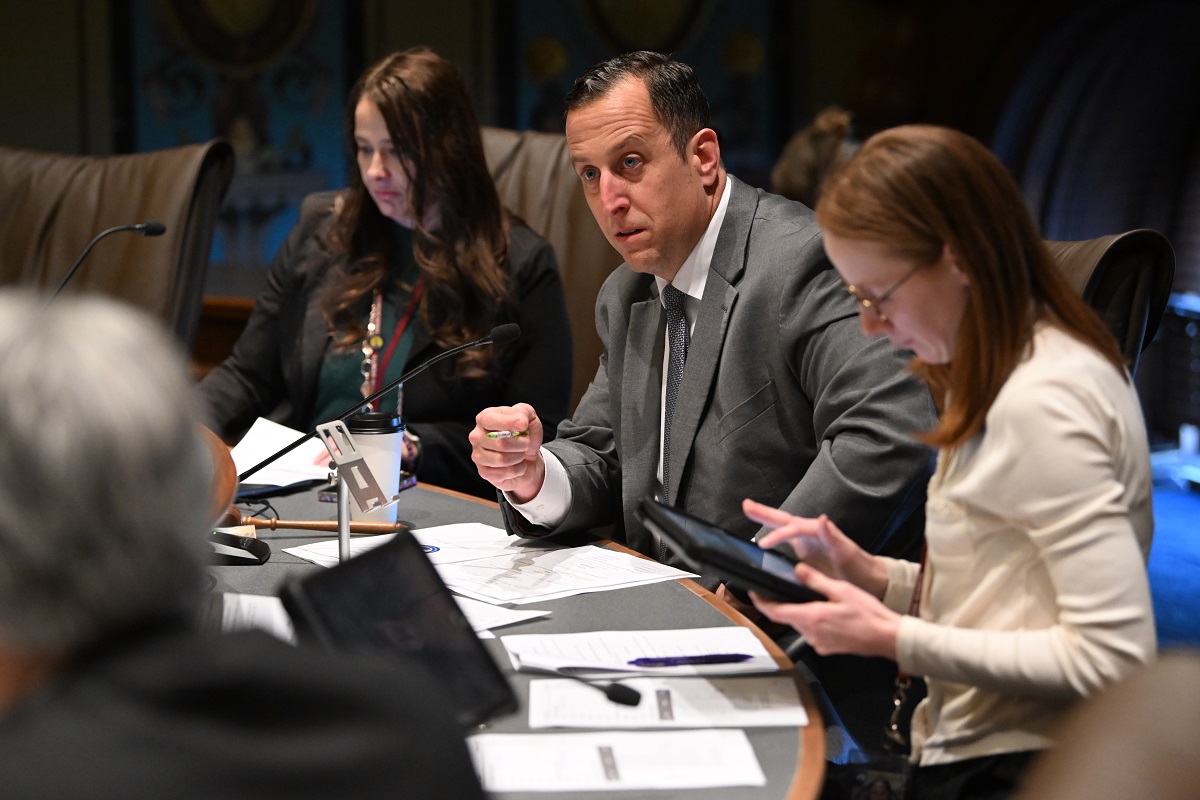 FRANKFORT — To expand the 19th District’s talent pipeline and boost diversity in Illinois’ construction and building trades, State Senator Michael E. Hastings is encouraging local community-based organizations to apply for the latest round of funding through the Illinois Works Pre-Apprenticeship Program.
“The Illinois Works Pre-Apprenticeship Program is a common-sense investment in working class people,” said Hastings (D-Frankfort). “This program has changed thousands of lives for the better since 2021.”
Hastings announces disaster assistance available to those impacted by summer storms
- Details
- Category: Press Releases
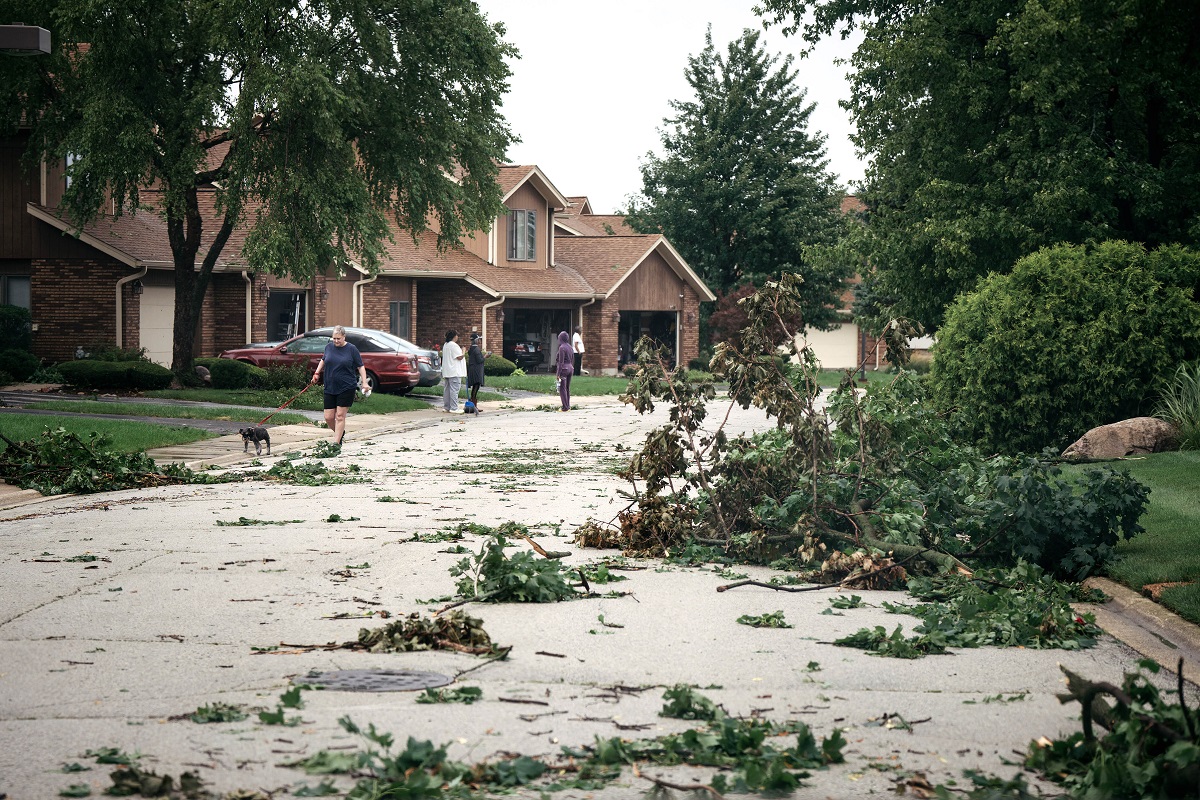
FRANKFORT — State Senator Michael E. Hastings is sharing disaster assistance for those affected by the summer storms. Families and businesses in Will and Cook County may be eligible for recovery assistance from the U.S. Small Business Administration as well as waived tax penalties and interest.
“This is an important step toward recovery,” said Hastings (D-Frankfort). “Now we have to make sure the support that comes with it actually reaches the people who were hit the hardest. I will keep working with our local and state governments until it does.”
Residents seeking a waiver of penalties and interest for taxes should send a brief written explanation to the Illinois Department of Revenue regarding why they cannot file timely or pay. They should provide their full name, account number (if using a Social Security number, include only the last four digits), mailing address, and an estimate of when they believe they can file or pay their taxes.
Requests may be submitted electronically to
Hastings virtual dental care expansion signed into law
- Details
- Category: Press Releases
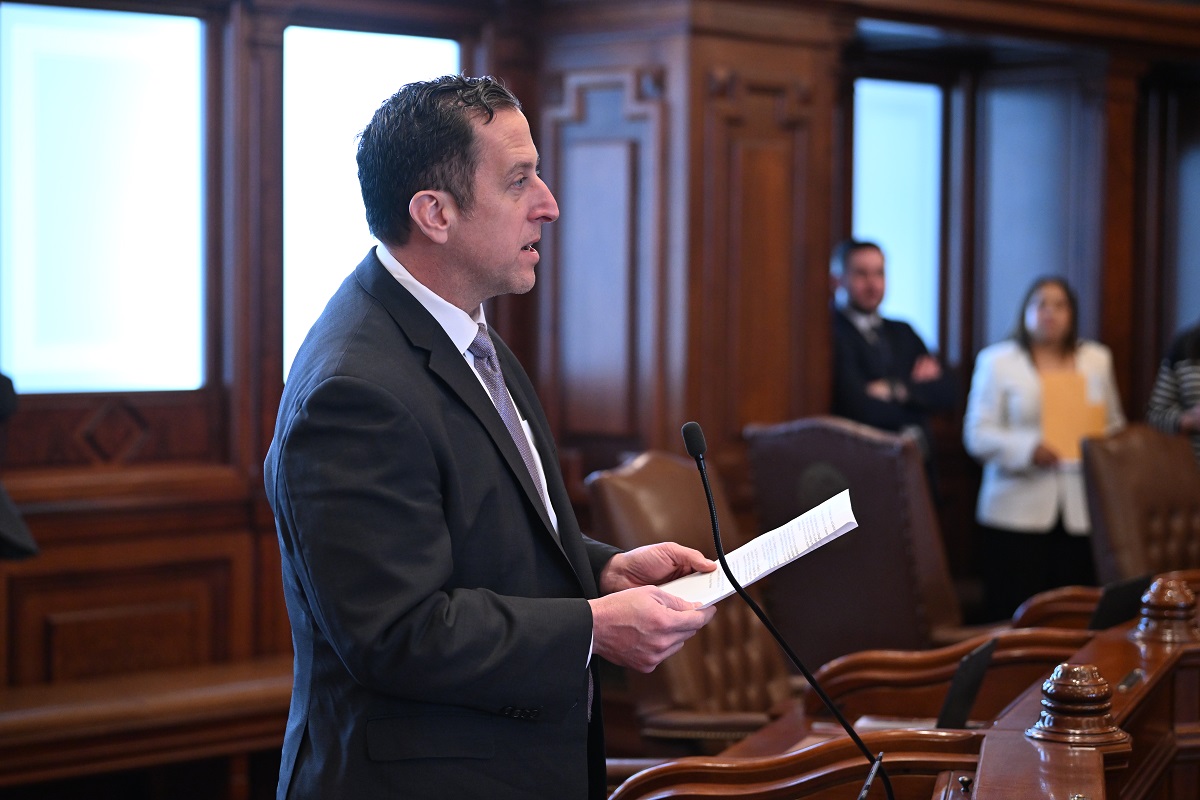 SPRINGFIELD — To expand access to dental care, State Senator Michael E. Hastings led a new law to ensure patients can access virtual dental care safely while maintaining strong professional standards.
“Dental health is not a luxury, it is a fundamental part of overall health,” said Hastings (D-Frankfort). “Yet, right here in our state, 69 out of 109 counties face full county-wide dentist shortages.”
More Articles …
Page 1 of 71
Welcome
Thank you for visiting my website. I am proud to serve as the State Senator from Illinois’ 19th District. I hope you will find this site a useful resource to stay informed about our district and my actions in Springfield. Please contact either of my offices with questions or ways I can better serve you.
It is my honor to represent you in Springfield.
Sincerely,

State Senator Michael Hastings
19th Senate District

eNewsletter
CONTACT SENATOR HASTINGS
Welcome to the official website of Senator Michael E. Hastings. Please fill out our contact form to contact Senator Hastings directly or you may call any of our offices. We look forward to hearing from you.
Springfield Office:
121-C Capitol Building
Springfield, IL 62706
(217) 782-9595
Frankfort Office:
20855 S. LaGrange Road
Frankfort, IL 60423
(815) 464-5431
East Office:
813 School Ave.
Matteson, IL 60443